MiniMax-H3: What the Model Everyone's Running Actually Requires
Updated
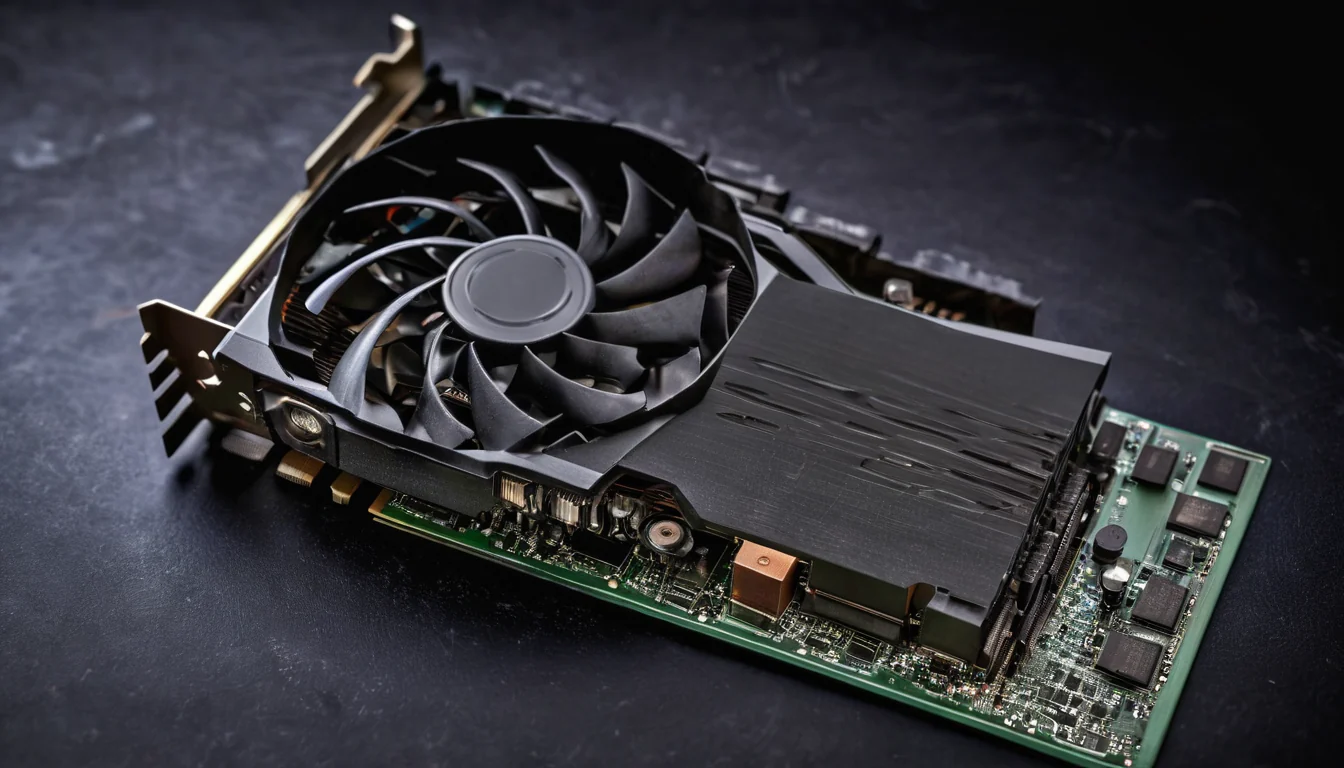
Open-source AI video moves fast enough that “what’s the best model” is the wrong question. The right one is: what’s the best model you can actually run on the GPU you own? This looks at the model most of the open-video community is standing on right now — MiniMax-H3 — with the hardware math, not the hype.
What it is
MiniMax-H3 does something most stacks need two separate models for: it generates synchronized audio and video natively — text-to-video, image-to-video, and video-to-video, with sound, in a single pass. It’s not a niche pick: on Hugging Face the ComfyUI build pulled 19.2 million downloads in the 30 days to September 2026, against 4.8 million for MiniMax’s own repo — most people running it are running it through ComfyUI.
The catch: it’s heavy
Most “top model” roundups skip this part. The smallest usable quantized weights:
- UNet (the video model): smallest quant ≈ 15.5 GB
- Text encoder: a 32-billion-parameter Qwen3-VL, smallest usable ≈ 14.6 GB
- VAE: ≈ 5.8 GB (video + audio)
On a 12GB card, the UNet alone overflows VRAM before anything else loads. Aggressive offloading to system RAM can get it running, but speed drops and RAM requirements climb fast. Realistically, H3 wants a 24GB+ card, or cloud GPU time paid per shot.
Why FlixML isn’t running it — and why that’s a real tradeoff, not a limitation
FlixML’s workflows are tuned to run fully self-hosted on a single consumer 12GB GPU. That’s a deliberate constraint: 12GB is hardware a lot of people already own, and it’s what lets someone clone the repo and actually reproduce the results. A model that only runs on a 24GB+ card breaks that.
So H3 stays on the watchlist rather than in the pipeline. The open-video space distills fast — lighter H3 variants are likely, and one that fits an accessible card moves this from watchlist to shipped.
The current video path — Wan 2.2 for motion, InfiniteTalk for lip-sync — is two models instead of H3’s one, and it’s slower per step. But it runs on hardware most people already have, at $0 per clip. For a project whose whole point is that a stranger can reproduce it, that’s the right trade.
The takeaway
Read the file sizes before the demo reel. A GGUF quant existing doesn’t mean it runs on your card — check the actual numbers. The frontier is exciting; the frontier that fits your hardware is what you can actually ship.
In the model directory
MiniMax-H3 — ~15.5 GB UNet + ~14.6 GB text encoder
One of the most-pulled open video models on Hugging Face — natively generates synchronized audio and video. We evaluated it and it doesn't fit our 12 GB target.